Edgar Linton
Edgar Linton, the master of Thrushcross Grange, embodies the civilized, gentle, and orderly world that stands in opposition to the wild, passionate, and violent realm of Wuthering Heights. His life is defined by his deep but ultimately inadequate love for Catherine Earnshaw, his rivalry with Heathcliff, and his unwavering devotion to his daughter, Catherine Linton. He is a figure of tragic decency, whose virtues prove insufficient against the forces that destroy his happiness.
Identity and Background
Edgar Linton is the son of Mr. and Mrs. Linton of Thrushcross Grange, a wealthy and respectable family. He has a sister, Isabella Linton. He is described as having a soft-featured face, with long light hair that curls slightly on the temples, large and serious eyes, and a figure almost too graceful. His everyday countenance is said to lack spirit in general, though he looks better when animated. He is portrayed as kind, trustful, and honourable, with a mild nature that makes his deep and sensitive aversion to Heathcliff all the more striking. He is a magistrate, a position of local authority, and he lives a life of entire seclusion within the limits of his park and grounds after his wife's death, only varied by solitary rambles on the moors and visits to her grave.
Life and Plot Trajectory
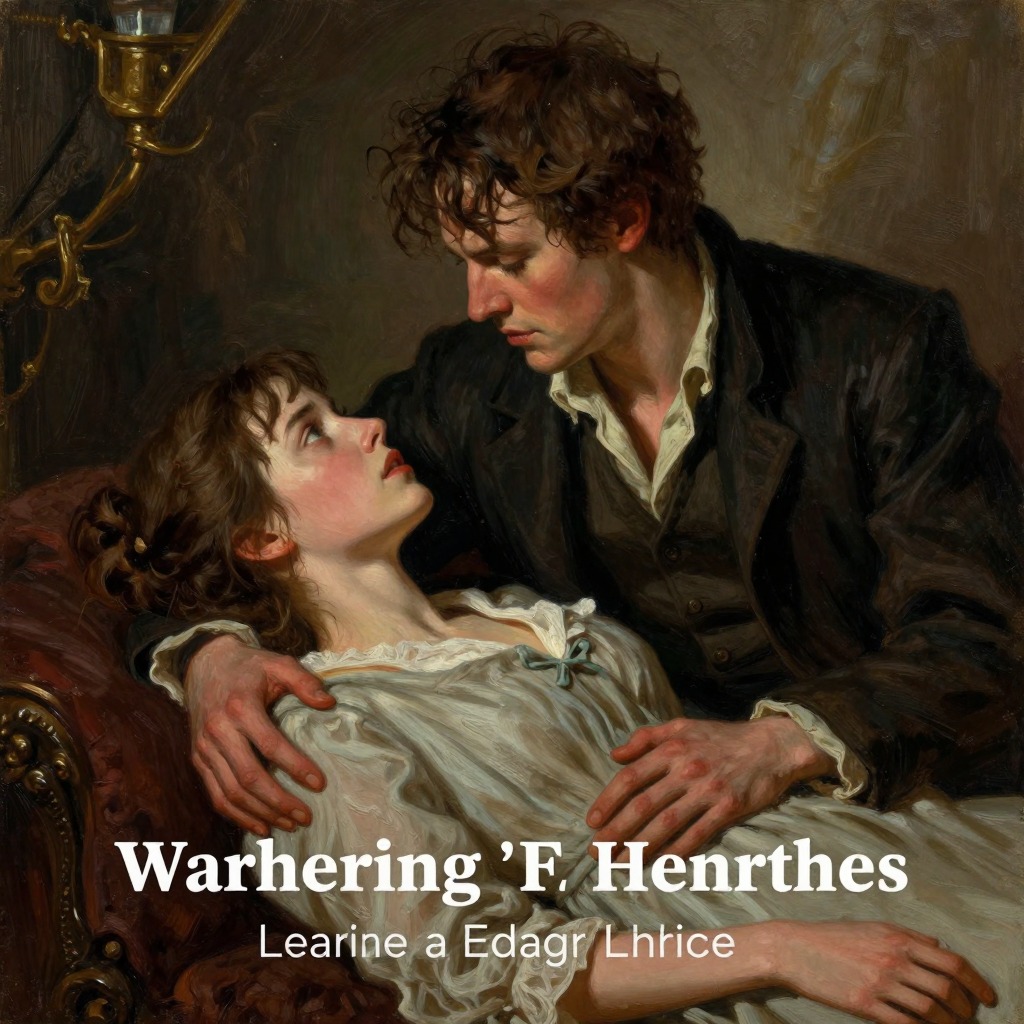
Edgar's life is a narrative of love, loss, and quiet endurance. He first appears as a child at Thrushcross Grange, where he and his sister Isabella are discovered by Heathcliff and Catherine Earnshaw during their escapade. He is described as standing on the hearth weeping silently over a quarrel with his sister about a little dog. Catherine Earnshaw, after a five-week stay at the Grange following a dog bite, captivates him. He falls deeply in love with her, and despite her wild nature, he proposes marriage. She accepts, and they marry three years after his father's death. Their early married life is one of deep and growing happiness, with Edgar lavishing affection on Catherine and being very attentive to her comfort. However, this happiness is shattered by Heathcliff's return. Edgar's jealousy and his wife's continued attachment to Heathcliff lead to a series of escalating conflicts. After a violent quarrel, Catherine falls dangerously ill with a brain fever. Edgar nurses her with devoted care, day and night, sacrificing his own health. She never fully recovers, and after giving birth to their daughter, Catherine Linton, she dies. Edgar is left a widower, his grief transforming him into a complete hermit. He throws up his office of magistrate, ceases to attend church, and avoids the village. He finds some consolation in his daughter, whom he raises with tender care, educating her himself and keeping her secluded from the world, especially from Wuthering Heights. His health declines, and he dies peacefully, kissing his daughter's cheek and murmuring that he is going to his wife.
Key Actions and Objectives
Edgar's primary objective is to protect those he loves, first Catherine Earnshaw and later their daughter, from the destructive influence of Heathcliff. He attempts to banish Heathcliff from Thrushcross Grange after the latter's return, declaring his presence a moral poison. He strikes Heathcliff when provoked, a blow that takes the other man's breath for a minute. He forbids his daughter from visiting Wuthering Heights and tries to keep her ignorant of her cousin Linton Heathcliff's proximity. In his final days, he alters his will to place Catherine's fortune in the hands of trustees, preventing it from falling to Heathcliff should Linton die. He also writes to Linton, expressing his desire to see him, but is ultimately unable to prevent his daughter's forced marriage.
Relationships and Conflict
Edgar's central relationship is with Catherine Earnshaw. He loves her deeply, but his love is of a different nature than Heathcliff's. He is described as being infatuated with her, and he believes himself the happiest man alive on the day he marries her. However, his love is not enough to satisfy Catherine's soul, which is bound to Heathcliff. Edgar is jealous of Heathcliff and deeply pained by Catherine's continued attachment to him. He is also a devoted father to his daughter, Catherine Linton. He takes her education entirely on himself, and his attachment to her springs from her relation to her mother. His relationship with his sister Isabella is strained after her elopement with Heathcliff; he refuses to see her, stating they are eternally divided. His conflict with Heathcliff is the central antagonism of his life. He abhors Heathcliff with an intensity that his mild nature would scarcely seem to allow, and he considers Heathcliff a murderer, believing Catherine might still be living if not for him.
Change and Ending
Edgar Linton undergoes a profound transformation from a happy, loving husband to a grief-stricken recluse. After Catherine's death, he becomes a complete hermit, his life defined by sorrow and seclusion. He finds a measure of peace in his daughter and in his visits to his wife's grave. Time brings him resignation and a melancholy sweeter than common joy. He recalls Catherine's memory with ardent, tender love and hopeful aspiring to the better world. He dies peacefully, with his daughter by his side, his last words expressing his belief that he is going to join his wife. He is buried in the same spot as Catherine, on a green slope in a corner of the kirk-yard, with a simple headstone.
Narrative Role and Evaluation
Edgar Linton serves as a foil to Heathcliff, representing the civilized, orderly, and gentle world that Catherine rejects. He is a figure of tragic decency, whose virtues—kindness, trust, and honour—are ultimately powerless against the raw, destructive passion of Heathcliff. His story is one of quiet suffering and unwavering devotion, a contrast to the violent, obsessive love that defines the novel's central relationship. He is a sympathetic figure, a good man who is caught in a conflict he cannot win, and whose love, while genuine, is not of the kind that can save Catherine Earnshaw from herself.